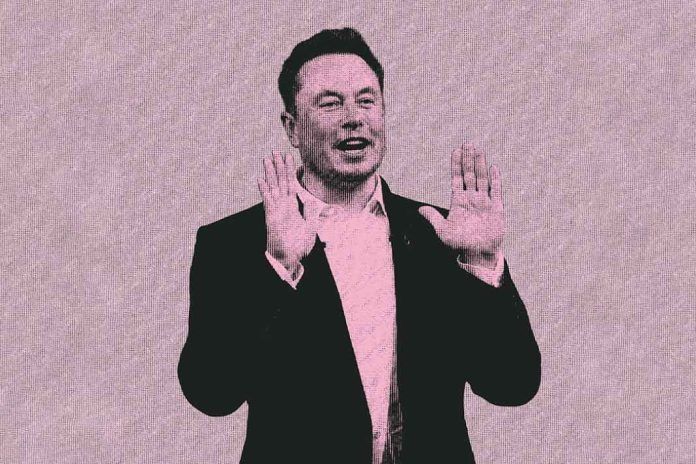
SpaceX raised $75 billion in its blockbuster IPO on June 11 in what is the largest public offering to date, valuing the company at $1.77 trillion and propelling founder Elon Musk to become the world’s first trillionaire. The listing surpassed the previous record set by Saudi Aramco’s $29.4 billion IPO in 2019 by a wide margin.
The company has sold 555.6 million shares at a fixed price of $135 each, according to its filing with the US Securities and Exchange Commission. SpaceX begins trading on the Nasdaq today, June 12, 2026, under the ticker symbol SPCX.
Musk’s stake in SpaceX is valued at roughly $866.5 billion. Combined with his Tesla holdings worth about $320 billion, it would make him the world’s first trillionaire.
SpaceX is on track to become among the most valuable US companies at $1.77 trillion, surpassing Tesla, Musk’s electric vehicle manufacturer.
Despite its lofty valuation, SpaceX remains unprofitable. The company reported first-quarter revenue of $4.69 billion, up 15% from a year earlier, while full-year revenue rose 33% to $18.67 billion in 2025. SpaceX posted a net loss of $4.28 billion in the latest quarter and has accumulated a deficit of roughly $41.3 billion since its founding in 2002.
The company going public today looks very different from the rocket startup Musk founded more than two decades ago. The business now spans satellite internet, launch services, and artificial intelligence. Following its merger with xAI in February 2026, SpaceX also owns the Grok chatbot and social media platform X. The company says these assets will help power its plan to build orbital data centres to provide computing capacity from space.
Starlink continued to drive SpaceX’s business in the first quarter of 2026, with connectivity revenue reaching $3.26 billion, or nearly 70% of the company’s total revenue of $4.69 billion. The satellite internet service’s subscriber base also doubled year-over-year to 10.3 million.
According to its IPO prospectus, the company continues to invest aggressively in growth. Capital expenditures reached $10.1 billion in the first quarter, more than double the level recorded a year earlier. Approximately $7.7 billion of that spending was directed toward AI infrastructure, with the remainder allocated to its space and satellite connectivity operations.
ALSO READ: Alteryx Inspire 2026: Three Questions Every Data Leader Should Take to Orlando